
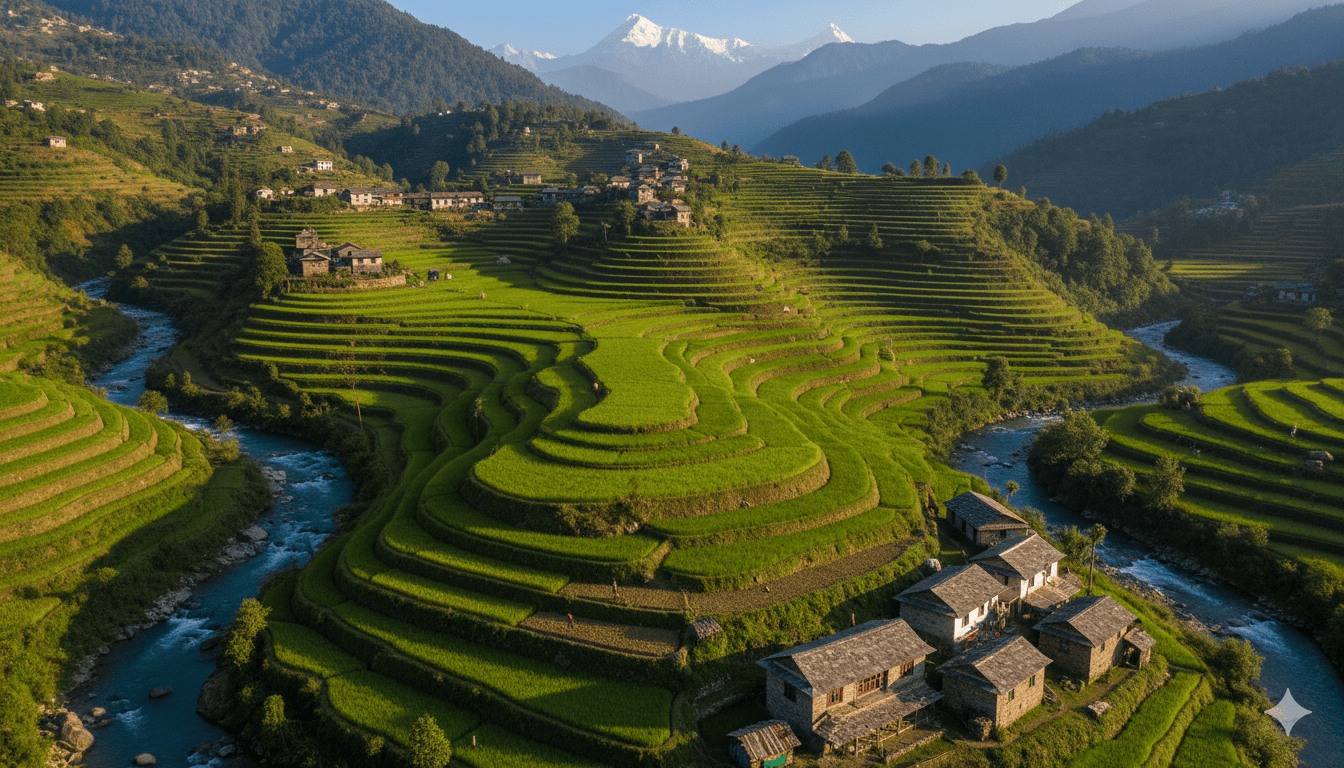
Organic farming is not just an agricultural practice—it’s a lifestyle, a movement, and a commitment to sustainability. Across Nepal, thousands of farmers, consumers, and communities are becoming part of a new green awakening that values soil health, fair trade, and natural living. At the heart of this change is a growing sense of unity and responsibility to protect both human health and the environment.
From Field to Family – Reconnecting the Chain
For decades, the connection between the producer and the consumer was broken by middlemen, chemicals, and market manipulation. Farmers worked hard, yet they received minimal returns. Consumers, on the other hand, ended up paying high prices for low-quality, chemically treated food. The organic revolution seeks to fix that broken link.
Vision of Healthy Group has been instrumental in bridging this gap by creating direct farmer-to-consumer networks. This model ensures fair pricing, transparent trade, and stronger relationships built on trust and shared values. When farmers are assured of a fair market and consumers receive fresh, chemical-free products, both sides win. This approach supports the national dream of a self-reliant, healthier Nepal.
Healthy Soil, Healthy People
The foundation of organic farming lies in the soil. Healthy soil gives life to healthy plants, which nourish healthy people. Farmers are now shifting away from synthetic fertilizers and adopting natural composts such as vermicompost, farmyard manure, and bio-fertilizers. These methods don’t just feed the plants—they restore fertility, maintain microbial balance, and strengthen the entire ecosystem.
When farmers learn to care for their soil through scientific testing and organic management, they also secure their own long-term productivity. Healthy soil can retain more water, resist erosion, and adapt better to changing climates. The organic movement, therefore, is not just about food—it’s about resilience.
Training and Knowledge for Every Farmer
Knowledge is at the heart of this revolution. Vision and similar organizations are ensuring that farmers across Nepal receive proper education and practical training in modern organic methods. Farmers are being introduced to permaculture design, crop rotation, natural pest management, and post-harvest handling.
These programs are not limited to big farms—they empower small-scale farmers in rural areas to achieve sustainability and independence. Through workshops and field demonstrations, farmers gain the confidence to produce quality food without relying on expensive chemicals.
Supporting Livestock, Poultry, and Fish Farmers
Organic farming doesn’t end with crops. The same philosophy extends to livestock, poultry, and aquaculture. Farmers are now feeding their animals with natural grains, green fodder, and herbal supplements instead of chemical feed. This shift results in healthier milk, eggs, and meat that are safer for consumption.
By training farmers in animal nutrition, natural disease prevention, and clean housing, the program promotes ethical farming that aligns with health and sustainability. Livestock and fish farming, when managed organically, also contribute to reducing waste and improving biodiversity.
Organic Food – From Farm to Kitchen
Consumers play an equally vital role in the organic revolution. Vision has launched the “Healthy Kitchen” campaign with a simple yet powerful belief: “A clean kitchen is our hospital, and food is our medicine.” The company’s organic cafés and restaurants prepare food hygienically using locally sourced, organic ingredients.
Customers can now order vegetables, fruits, and dairy products directly from certified outlets. Each product is cleaned, inspected, and packaged carefully before reaching consumers. Transparency and traceability ensure that every family receives quality food at an affordable price.
Innovation in Agriculture Infrastructure
A sustainable farming system needs a strong infrastructure. Vision is working with local governments to develop cold storage units, agricultural ambulances, and warehouse facilities in every municipality. These innovations help reduce post-harvest losses, maintain freshness, and improve market access.
Farmers now have reliable access to resources such as seeds, fertilizers, and transportation, enabling them to focus on what they do best—growing clean, healthy food for their communities.
Social Responsibility and Community Empowerment
Beyond agriculture, the organic revolution carries a social mission. Vision contributes 2% of its profits to community development projects focused on food, education, health, and housing for underprivileged groups. The initiative supports marginalized communities, women, and differently-abled individuals by providing skills training and employment opportunities.
The organization also collaborates with Ayurvedic doctors and herbal specialists to promote natural medicine. By cultivating medicinal herbs and producing herbal products, Nepal is reviving its ancient healing traditions while reducing dependency on imported pharmaceuticals.
Environmental Benefits of Organic Farming
The environmental impact of organic farming is immense. By avoiding synthetic pesticides and fertilizers, organic practices protect water sources, reduce pollution, and preserve beneficial insects and microorganisms. Crop rotation and cover cropping improve biodiversity and strengthen ecosystems.
Waste recycling programs convert city waste into organic fertilizer, linking urban and rural sustainability. This circular system not only cleans the environment but also provides low-cost compost to farmers, reducing input costs and increasing productivity.
A Self-Reliant and Sustainable Nepal
The broader goal of the organic revolution is to build a self-reliant Nepal—a nation that produces what it eats and exports its surplus to the world. By integrating the Himalayas, hills, and Terai into one sustainable agricultural network, the country can balance supply and demand efficiently.
With improved cold storage, logistics, and cooperative marketing systems, Nepal can reduce imports, raise GDP, and promote local employment. The movement is not just agricultural—it’s economic, social, and environmental transformation combined.
Education and Innovation for the Future
Education lies at the heart of lasting change. Vision is investing in skill-based education for youth, ensuring that modern agricultural knowledge is accessible to everyone. By providing practical, locally relevant training, the company helps young people see agriculture as a dignified and profitable career.
This vision aims to stop the outflow of young talent abroad and channel it toward domestic innovation. A new generation of Nepali farmers and entrepreneurs can lead the way in sustainable development and food sovereignty.
Healing the Nation – One Farm at a Time
When communities unite under the banner of organic farming, they begin to heal more than the land—they heal themselves. Healthier diets reduce disease, clean environments inspire pride, and fair trade restores trust between people. The organic revolution is not about going backward; it’s about using modern science to rediscover timeless values of balance and respect for nature.
The journey ahead requires patience, cooperation, and education. But the path is clear: empowering farmers, nurturing soil, and feeding families with dignity will create a stronger, self-sustaining Nepal.
Conclusion
The organic revolution in Nepal represents hope—a future where farmers prosper, food nourishes, and nature thrives. Vision of Healthy Group is leading the way by connecting fields and families, reviving traditional wisdom, and bringing modern efficiency to sustainable farming.
As the movement grows, every farmer trained, every café opened, and every healthy meal served becomes part of a national story—one of renewal, unity, and healing. The message is simple but profound: Healthy soil, healthy food, healthy people, healthy nation.